


Copper water · Myths vs facts
Half of what you’ve read about copper water is wrong. Some of it is wrong in our favour, and we’re going to say so anyway.
 By Eric Chandler, Neera Living · Updated October 2026 · 6 min read
The short answer
Copper water does not detox your body, does not make water alkaline and does not replace a supplement. What a bare copper bottle actually does is narrower and easier to prove: it adds no plastic to your water, its surface is naturally antimicrobial, and it gives you a simple overnight ritual - plain, cool water, rested 6-8 hours. Darkening is normal, nothing acidic or hot goes in it, and cleaning takes a minute a week with lemon and salt.
Copper water has a marketing problem. It has been sold as a detox, as a cure, as an alkaliser and as a substitute for half a supplement shelf. None of that is true, and every time someone repeats it, the whole category gets less believable.
So here are the eight things people get wrong most often. Three of them are myths that would sell more bottles if we let them stand. We are correcting those too. And four of them are the reason a lot of people think their copper bottle is broken when it is working perfectly.
Myth 01
Does copper water detox your body?

This is the claim that put copper water on the map, and the one we would most like to be true. It isn’t. No water bottle detoxifies anyone, and any brand telling you otherwise is either guessing or lying.
Here is what actually changes. If you drink two litres a day, that is roughly 700 litres a year passing through whatever you are holding. Swap plastic for bare copper and you stop adding particles from that source. You are not cleaning anything out. You are stopping the addition.
Myth 02
Is a copper bottle that turns dark dirty or defective?

Around week three your bottle starts to change: brown first, then patches closer to black, and the inside loses its brightness. This is the most common reason people contact a copper brand, and it is almost always about a bottle that is working exactly as intended.
Copper does not rust. It oxidises - it reacts with air and water and grows a patina. Temple bells do it. A French copper pan that has hung in a kitchen for eighty years does it. The bottles that stay factory-bright for a year are the ones worth worrying about: either they are lacquered inside, or there isn’t enough copper on them to react with anything.
Myth 03
Are all copper bottles made of copper?

“Copper” is not a regulated word on drinkware. It can describe a colour, a finish, a plating or a solid metal - four different products sold under one word.
Two things happen at the cheap end. Some bottles are a copper skin over steel or aluminium. Others are real copper with a lacquer or epoxy film sprayed inside so they never tarnish - which means the water never touches copper at all. When we cut open nine cheap copper bottles, seven contained another metal and six were lined.
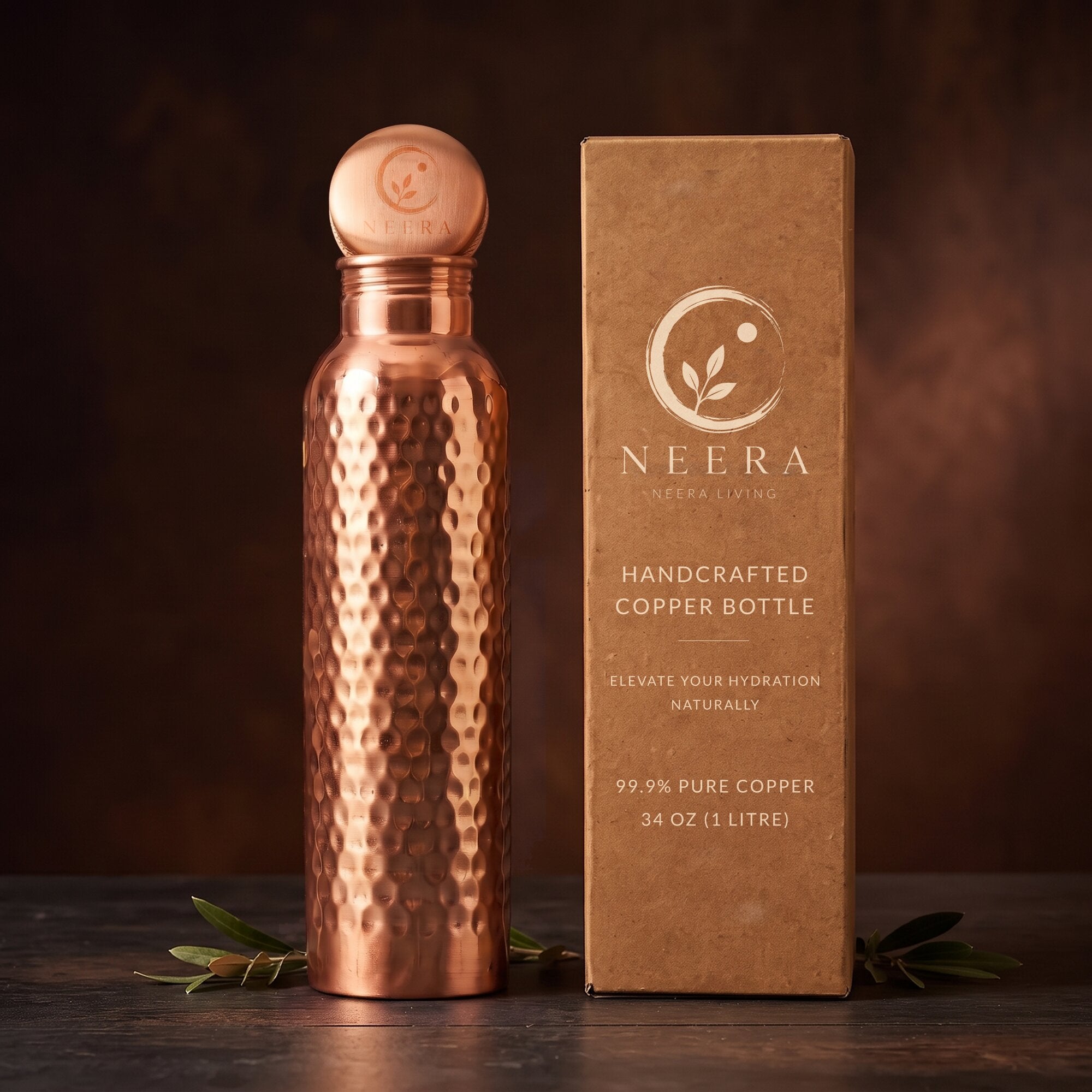
Neera is bare copper inside and out: 99.9% pure, food grade, with lab reports available on request.
Myth 04
Can you put any drink in a copper bottle?

This is the one that gets people into trouble. Lemon water, citrus, electrolyte tablets and anything carbonated react with copper. Hot drinks are not what the vessel is for either.
The rule is four words long: plain, cool, still water. Coffee, tea and your lemon-and-ginger routine belong in the steel bottle you already own. We would rather tell you here than in a support email three weeks after you bought it.
Myth 05
How long should water sit in a copper bottle?

Somewhere along the way “rest it overnight” turned into “the longer the better”, and people started leaving water in copper bottles for two or three days.
The window is six to eight hours - basically a night. That is the Ayurvedic practice of Tamra Jal. In a 2012 lab study, water deliberately contaminated with bacteria was stored in copper pots for 16 hours at room temperature, and the bacteria could no longer be recovered afterwards. Longer than about twelve hours adds nothing. Fill it when you turn the kitchen light off, drink it in the morning, rinse, repeat.
Myth 06
Does copper make water alkaline?

You will find this claim on a lot of copper bottle listings, including some very reputable ones. It does not hold up: storing water in copper does not meaningfully change its pH.
What copper actually does is narrower and better documented: it is naturally antimicrobial, which is why the US EPA has registered copper alloys as antimicrobial surfaces and why some hospitals fit copper door handles and bed rails. That is a real property. It does not need an invented one stapled to it.
Myth 07
Can a copper bottle replace a copper supplement?

Copper is genuinely an essential mineral - adults need about 0.9 mg a day, the body cannot make it, and it is used in iron metabolism, connective tissue and energy production.
Water rested in a copper vessel picks up a trace amount. A trace is not a dose, and a bottle is not a supplement. If a doctor has told you that you are deficient in something, a water bottle is not the answer.
Want the numbers behind this? We went through the studies claim by claim in copper water bottle benefits: what the evidence actually shows.
Myth 08
Are copper bottles high maintenance?

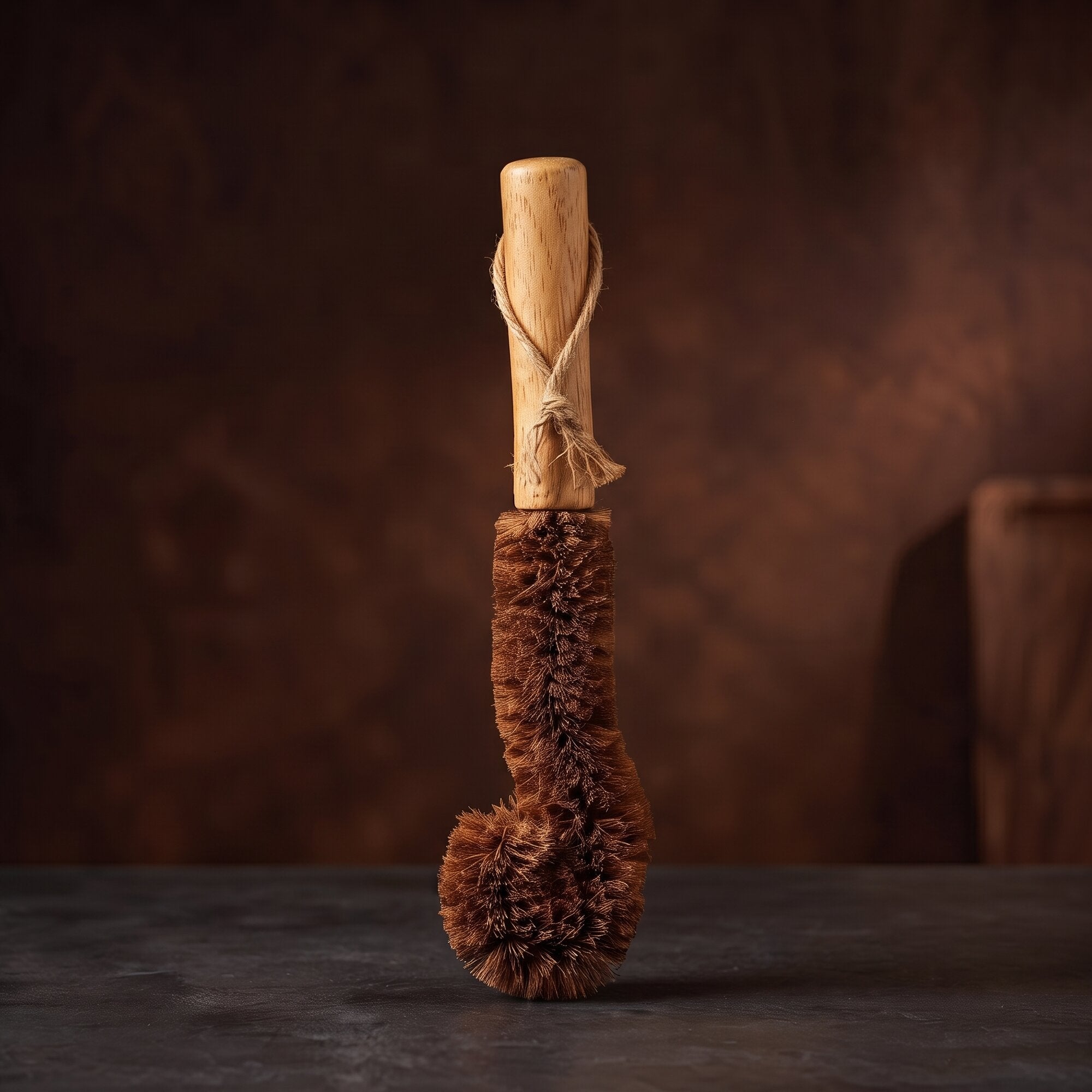
People imagine polishing cloths and special compounds. The actual routine: one tablespoon of salt and the juice of half a lemon go in the bottle. Fill halfway with warm water, cap it, shake for thirty to sixty seconds, run the care brush around the inside, rinse. No soap, no chemicals. Once a week, or whenever you want the shine back. Step by step in our cleaning guide.
The only real rules: never the dishwasher, never the fridge, no abrasives.
Already own one? Four checks, one minute

1. Magnet
Body, then cap. Copper isn’t magnetic - any grip means steel.

2. Interior
Look down the neck. Silver, grey or glossy means lined or plated.

3. Patina
Still bright inside after a month of daily use? Not bare copper.

4. Certificate
Ask for a composition report. The answer - or silence - is the test.
Run all four on a Neera the day it arrives. We would rather invite the test than hope you skip it.

Nothing between the metal and your water.
- 99.9% pure copper, hand-hammered
- No lining, no coatings
- Over 380,000 happy customers
- Free shipping · ships in 1-2 business days
$79 Essentials Set · lasts for years
START MY COPPER RITUAL →Extra 10% off with code NEERA10 · Buy more, save up to 15%
Frequently asked questions
Is it safe to drink from a copper bottle every day?
Yes, with plain, cool water and normal use. Copper is an essential mineral (adults need about 0.9 mg a day). Keep acidic, fizzy and hot drinks out of it, because they pull far more copper from the metal than plain water does.
Why does copper water taste slightly different?
That faint mineral note is the copper. Most people stop noticing within a week, and many come to prefer it. If it tastes strong, shorten the rest to four hours and work up.
My bottle passed the magnet test. Is it pure copper?
Not by itself. Brass, bronze and aluminium are all non-magnetic, so a plated aluminium bottle passes too. Check the interior colour and ask for a composition report.
Can I put a copper bottle in the dishwasher?
No. Heat and detergent strip the interior. Hand wash only, and don’t keep it in the fridge.
How long does a copper water bottle last?
Copper doesn’t degrade the way plastic does. With the weekly lemon-and-salt routine it lasts for years, and in a lot of families it gets handed on.
What if something is wrong with my order?
Free shipping on every order, shipped in 1-2 business days from the US. If something isn’t right when it arrives, contact us and we’ll make it right.
Eric ChandlerNeera Living. Writes our customer guides on copper care, patina and what copper water can and can’t do.
Keep reading
Best copper water bottle: 10 compared How much copper water to drink per day Copper water bottle vs stainless steel Ayurvedic copper water bottle Copper water bottle benefits: the evidence We cut open 9 cheap “copper” bottles - what’s inside 10 reasons a copper bottle is the easiest upgrade this year The afternoon slump might be what you’re drinking out of How to clean a copper water bottleIndividual experiences vary. Information in this article is for general wellness and lifestyle purposes only and is not intended to diagnose, treat, cure or prevent any disease. These statements have not been evaluated by the FDA.
